
Do Podcast Interviews Generate Revenue?
Yes, When You Build the System Around the Booking.
Most founders treat a podcast booking like the finish line.
The confirmation email lands, the episode goes live, the post gets a few dozen likes, and then the inbox goes quiet.
So it’s no surprise that so many founders end up asking me the same question:
“Are podcast interviews and speaking gigs a waste of my time?”
My answer is always the same. They pay off BEAUTIFULLY when you build the system around the booking, and they become your most expensive sunk cost when you don’t.
Starting from zero
In October 2025, I spoke at an event in Dallas about personal branding as a 7-step flywheel that any founder can use to build credibility and revenue.
Right after I got off stage, a mindset and business coach in the audience- Kevin Voisin came up to me and said, “I’ve been off of social media for over 5 years and I have zero online presence. Will your system work for me?”
60 days later, his calendar started filling up with podcast bookings.
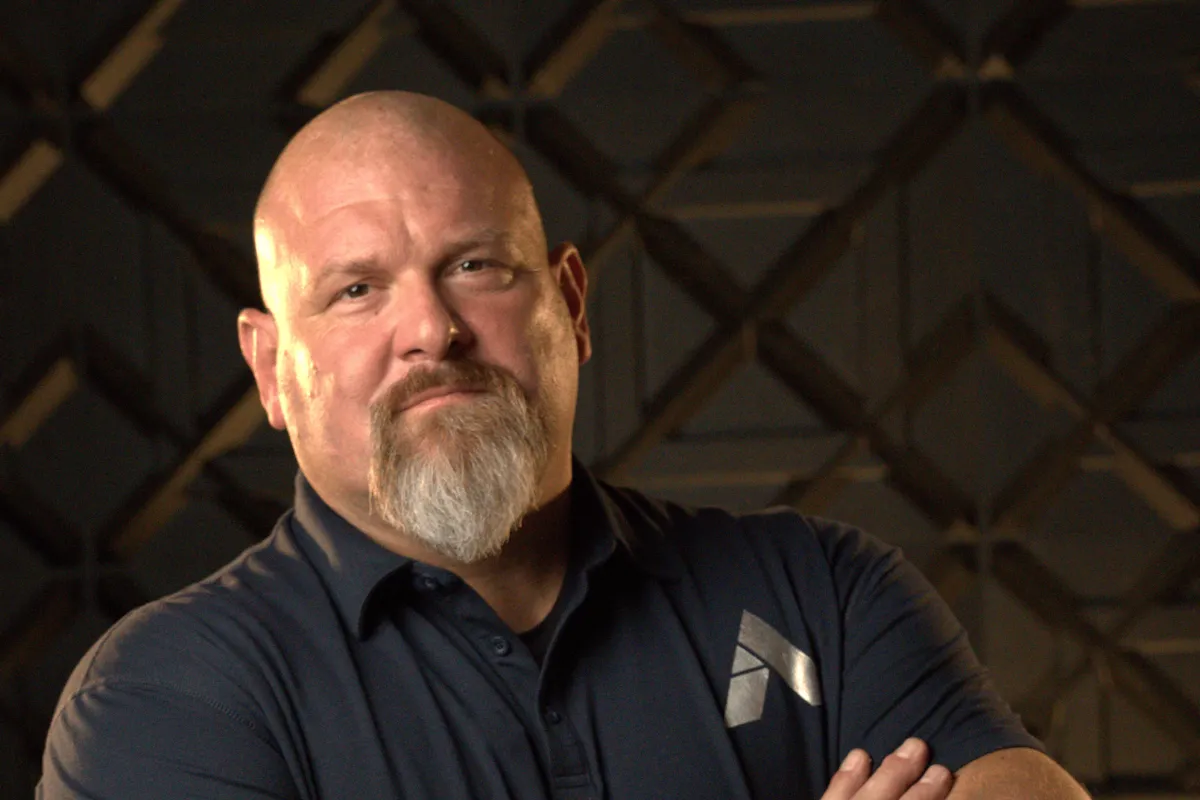
Kevin Voisin, GSD Ninjas
He did his first podcast interviews in 2025, started landing speaking opportunities in 2026, and between Kevin and his wife Whitney, they’ve landed 43 bookings since March.
The interviews themselves aren’t the exciting part, though- it’s the leads that these podcasts filled his pipeline with, and Kevin got a healthy little 4.5x return on his investment with Brandpod just this year.
He didn’t have an audience, a media kit or a single logo on his website when we met, and none of that held him back.
Why most bookings never turn into revenue
Here’s the thing most booking tools and agencies won’t tell you: getting booked is where their job ends, and where yours begins.
They stop at the promise to get you booked. There’s no understanding of what your buyers are searching for, the gaps in the answers they’re getting, or how your story fills those gaps.
They get you booked, but there’s no way for a listener to take the next step with you, and the interview becomes one more vanity metric.
I learned this the hard way.
At my very first speaking gig, I had the audience laughing, reflective and engaged for 45 minutes straight, and then my brain went “I did it, I’m done!” and I walked off the stage without inviting a single person to come talk to me after.
(Some still did, luckily. That was the first and last time I made that mistake, though.)
The 5 steps between a booking and revenue
These are the five steps I use, condensed from what used to be a 7-step process a year ago, before every podcast interview, stage or article:
1. Know exactly what your buyers are searching for
Start with what your buyers are typing into Google and ChatGPT, and most importantly, where they’re going for answers.
That tells you which conversations they’re already having, and which of your stories they need to hear.
2. Pick shows and stages by the audience that’s listening
A show with a small audience full of your buyers will out-earn a big audience that will never buy from you.
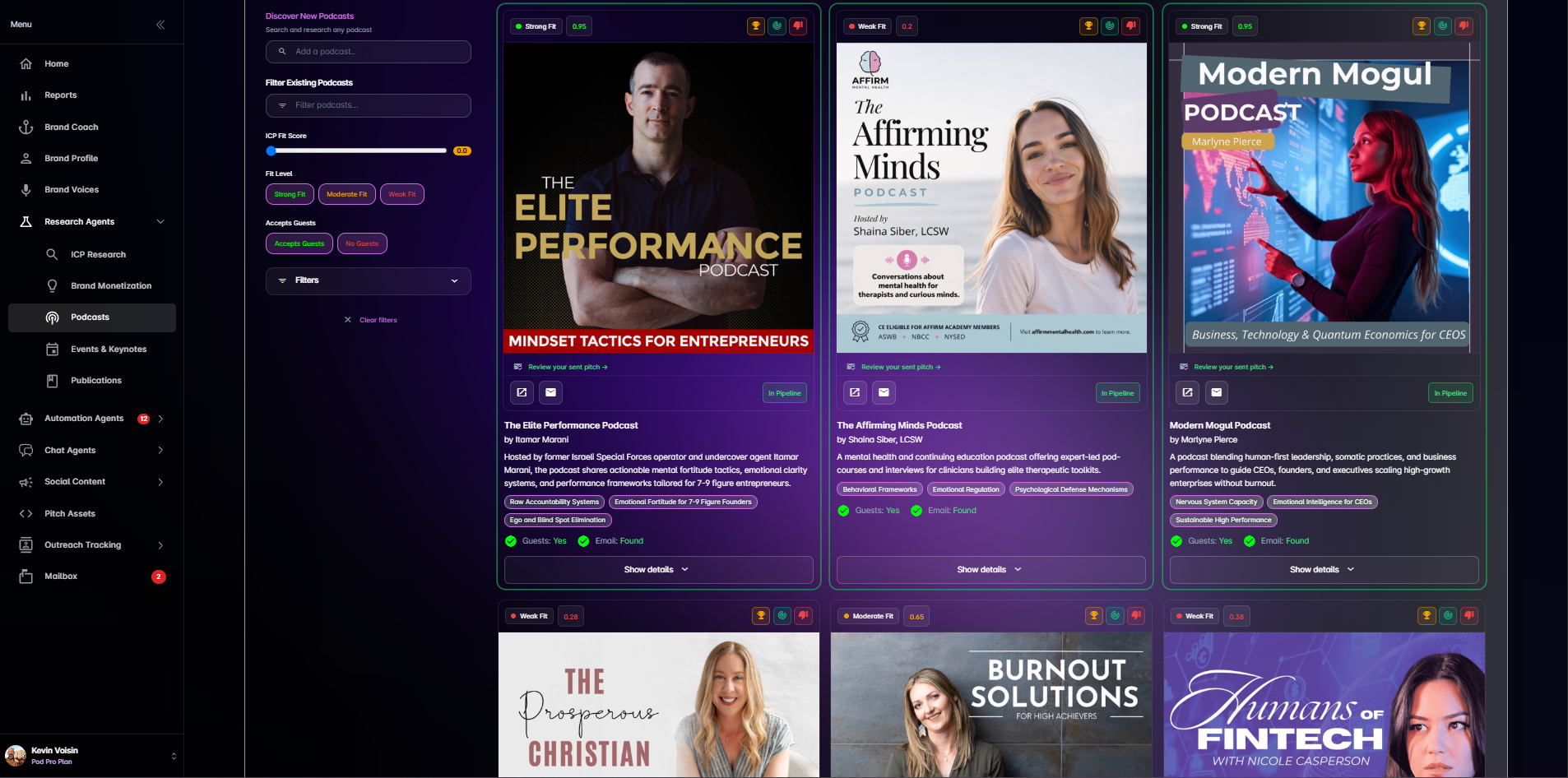
Kevin's recommended podcasts in Brandpod
Beware of the viewership numbers trap, because the right fifty listeners will always beat the wrong fifty thousand.
3. Pitch the unique value you bring to their audience, not just your vanity metrics stuffed with keywords
Before you pitch, study the show’s most recent episodes, articles or talks, find exactly where you’d fit, and put the unique value you’d bring to their audience front and center.
In Muck Rack’s State of Journalism 2026 report, 58% of journalists said they want interview access to relevant sources in a pitch, and 70% want clear relevance to their beat (Muck Rack).
Tools that match and pitch you on keywords make you sound like every other “expert” competing for those same keywords, instead of matching you on the unique parts of your story that turn you into a category of one.
4. Track every pitch, follow-up and reply
Nothing hurts credibility more than missing a reply and ghosting a host, and it happens more often than you’d think.
When a host writes back, every automated follow-up should stop, and you should know about it right away. One sloppy follow-up can undo a relationship you spent weeks building, and most AI pitching tools out there are notorious for dropping the ball with this.
Done well and in a way that mimics human interaction, pitching works. Brandpod pitches get a reply from an actual person 17.6% of the time (490 of 2,786 pitch conversations), compared with the 15.18% response rate Propel’s Media Barometer recorded for podcast pitches in Q4 2023, most of them sent by human PR pros. Note that this is well above the 10.2% average for AI pitching tools.
5. Build your “easy-yes” offer before you hit record
This is the step almost everyone skips, and it’s the one that converts a listening audience to buyers- or leaves them hanging.
Use what you learned in steps 1 to 3 to build an easy-yes offer for the exact people who’ll hear your episode, read your article or watch your talk, with a lead generation system that leads straight into your main product or service.
A podcast interview with no easy-yes offer behind it is like a promising first date where you forget to give your date your number. They walk away thinking “I’d LOVE to work with this person,” then look at the show notes, find no next step, and Google someone else.
What the payday looks like
The payday from visibility looks different for everyone, which is exactly why you need to decide where you want it to land before you start.
For Kevin, it was a pipeline full of leads and that 4.5x return.
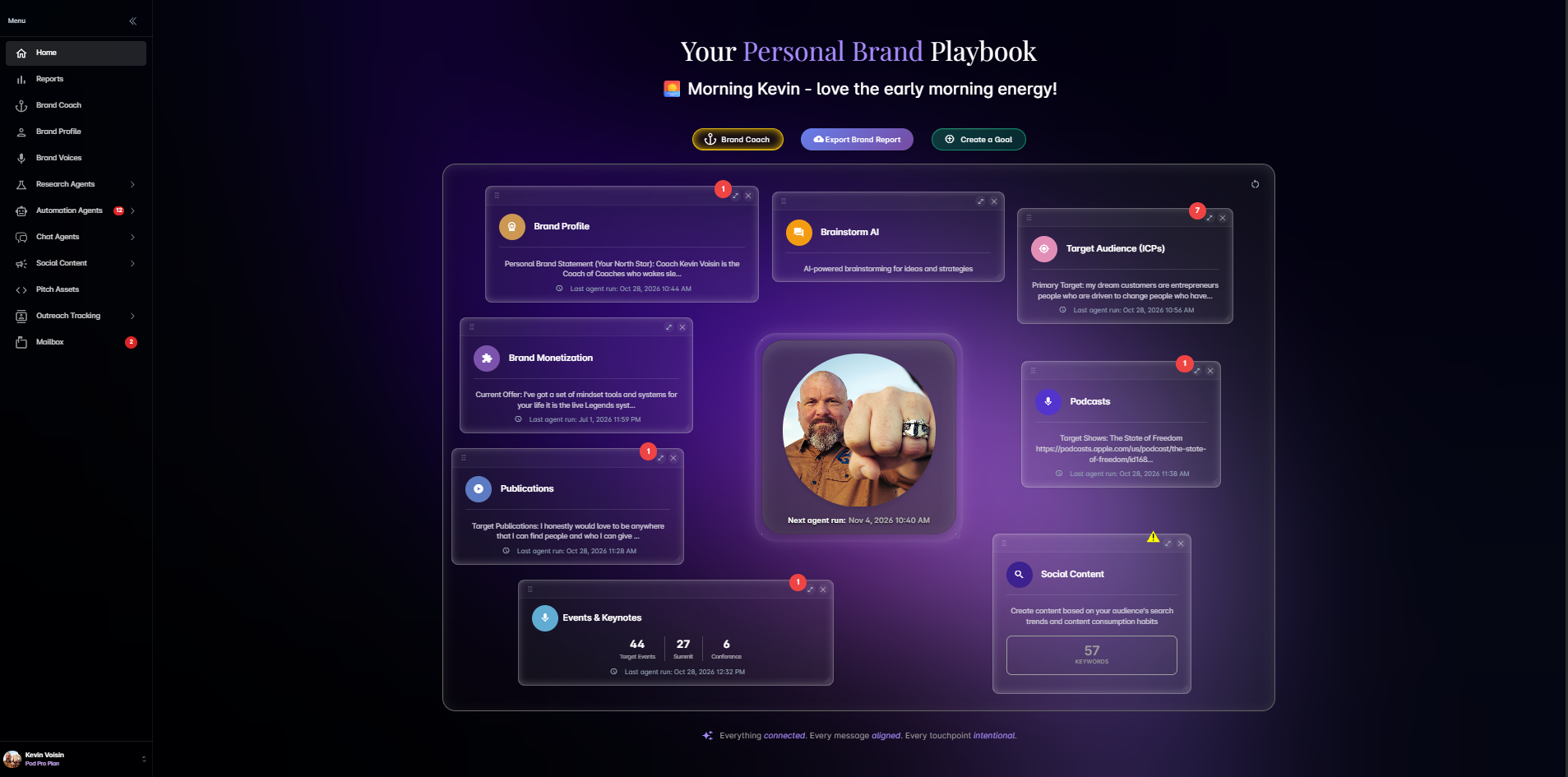
Kevin Voisin's, aka 'Coach Kevin's' Brandpod dashboard
For Steve “Moby” Leitch, another Brandpod user and an Oceans Seven marathon swimmer, it was sponsorship revenue. He did about 50 podcast interviews in 3 months, with 21 of them booked directly through Brandpod and one reaching more than a million subscribers, and those interviews landed him 2 new sponsors worth north of $20K combined.
In his words: “I think it would’ve taken me five years to do what I’m gonna do this year.”
For me, it’s always been about reaching more of my dream customers, working with the right people who keep me sane, and making every interview, article and stage I do pay for itself.
And the bigger picture backs this up. In the 2024 Edelman-LinkedIn B2B Thought Leadership Impact Report, 86% of decision-makers said they’d be moderately or very likely to invite a company producing strong thought leadership into an RFP process.
Visibility opens the door, and the system around it decides whether anyone walks through. Traditional PR does one, ignores the other, and leaves you wondering why you’re out $20,000 with nothing to show for it.
FAQs
Do podcast interviews generate revenue for founders?
Yes, when the interview puts you in front of your buyers and gives them a clear next step. Kevin Voisin’s interviews filled his pipeline with leads and returned 4.5x his investment in Brandpod, and Steve Leitch’s interviews landed him 2 new sponsors worth more than $20K combined.
How do I monetize a podcast guest appearance?
Build an easy-yes offer for that show’s audience before you record, such as a short guide, a quiz or a call, and make sure the show notes and your profile point to it. Then follow up with the people who reach out. Brandpod’s asset builders help you do this easily and without a professional graphic designer or website builder.
How do I find the podcasts my buyers listen to?
Start with what your buyers search for on Google and ChatGPT, then look for shows whose recent episodes cover those questions. Audience fit matters more than download numbers.
Are big download numbers worth chasing as a podcast guest?
Only if your buyers are in that audience. A smaller show full of the right people will usually do more for your pipeline than a big one that isn’t.
What’s a good reply rate for podcast pitches?
Propel’s Media Barometer recorded a 15.18% response rate for podcast pitches in Q4 2023, mostly from human PR pros. AI tools are typically well below that at 10.2%, while Brandpod pitches get a reply from a person 17.6% of the time.
Can I get booked on podcasts and stages even if nobody knows me?
Yes. Kevin Voisin (aka Coach Kevin) had been off social media for over five years when we met, and his calendar started filling with podcast bookings that turned into revenue just 60 days later. The visibility flywheel works, you’ve just got to lean into it, trust the system, and let it build the momentum you need.